Restore Your Deck: Professional Staining Services to Boost Strength and Appearance
Refurbishing a deck using professional staining services offers significant benefits. Professional staining not only improves the visual appeal but also fortifies the wood against the elements.
How Deck Staining Defends Your Surface From Deterioration
Applying stain to a deck acts as a vital barrier against various kinds of damage. This shield works to prevent moisture intrusion, which may cause deterioration and mold development. By deflecting water, stains reduce the chances of warping and cracking commonly found in untreated wood. Moreover, UV rays from sunlight can damage the wood’s surface as time passes, leading to fading and splintering. A quality stain contains pigments that guard the wood, maintaining its natural color and structural integrity.
In addition, staining boosts the deck's safeguarding to pests such as termites and wood-boring insects. This not only prolongs the life of the deck but also sustains its aesthetic appeal. Regular upkeep through staining ensures that the deck remains in excellent condition, lessening the need for costly repairs. Overall, deck staining read the full story is a vital process that safeguards the structure while enhancing its visual charm.
Deciding on the Appropriate Coating: Oil in comparison to Water-Based Choices
When picking a stain for deck maintenance, homeowners must consider the differences between oil-based and water-based types. Each type offers distinct advantages, including durability and ease of application, which can significantly affect the final finish and longevity of the deck. Understanding these features, along with their specific drying times, is crucial for making an informed decision.
Oil-Based Stain Assets
Choosing the appropriate stain can have a major influence on the longevity and look of a deck, and oil-based stains provide several distinct benefits. These stains penetrate deeply into the wood, delivering superior protection against moisture and UV damage. Their resistance to fading helps keep colors rich for longer amounts of time. Furthermore, oil-based stains usually need fewer coats than water-based counterparts, making them more cost-effective overall. They also accentuate the natural grain of wood, giving decks a deep and appealing finish. Additionally, oil-based products often dry more slowly, allowing for better absorption and a smoother overall finish. In summary, oil-based stains are an ideal option for those wanting durability and visual appeal in deck maintenance.
Water-Based Stain Perks
While oil stains come with their advantages, there is also a compelling case for water stains in deck maintenance. These stains stand out for their lower environmental impact, due to emitting fewer volatile organic compounds (VOCs), which makes them safer for the applicator and the environment. Additionally, water-based stains dry more quickly, allowing projects to finish sooner. The ease of cleaning up with soap and water simplifies applying the stain, accommodating both DIY enthusiasts and professionals. Moreover, water stains provide vibrant colors and excellent UV protection, which helps maintain the deck's visual appeal over time. Taken together, these benefits make water-based stains a advantageous choice for improving durability and appearance of wooden decks.
Application and Drying Durations
Understanding the distinctions in application and drying times between oil-based and water-based stains is vital for achieving ideal results. Oil-based stains typically need more hours for spreading due to their thicker consistency, allowing for a luxurious finish. They typically require extended drying periods, often requiring 24 to 48 hours before the surface can be used, based on humidity and temperature. In comparison, water-based stains are simpler to use and dry considerably faster, usually within 1 to 3 hours. However, they may require multiple coats to attain the wanted color intensity. Homeowners should evaluate these factors alongside their schedule needs and climate factors when choosing the appropriate stain for their deck refinishing.
Vital Steps for Successful Experienced Deck Staining
Effective skilled deck staining requires meticulous planning and performance to achieve enduring results. The opening step encompasses extensive cleaning of the deck to strip dirt, fungal growth, and old finishes. This may include power washing, scouring, and permitting the surface to dry entirely. Next, assessment of the wood for any damages or necessary repairs is vital, confirming the deck is properly built before coating any finish.
Once planning are done, selecting the appropriate stain type is vital, as this influences both visual quality and longevity. Professionals often opt for semi-transparent and solid stain choices based on customer needs and wood type. Application should be done evenly, using applicators and rollers to guarantee thorough penetration into the wood. Finally, providing ample drying time between coats and before use is essential to improve strength and visual appeal, making sure the deck not only looks great but also stands the test of time.
How Often Should You Treat Your Deck for Best Results?
How often should property owners stain their decks to guarantee ideal safeguarding and aesthetics? Specialists recommend staining decks every two to three years, depending on factors such as climate, wood type, and usage. In severe environments, such as those with extreme sun exposure or heavy rainfall, more frequent staining may be necessary to prevent deterioration.
Also, the type of stain used can influence the timeline; for example, semi-transparent stains typically require repeated application sooner than solid-color alternatives. Consistent care not only enhances the deck's presentation but also provides protection against condensation, sun damage, and mold proliferation.
Homeowners should also evaluate their deck's foot traffic; high-traffic areas may deteriorate more swiftly, requiring more consistent upkeep. Ultimately, determining the appropriate staining schedule is important for preserving the deck's structural integrity and visual beauty, guaranteeing it remains a pleasant outdoor retreat for years to come.
Clues Your Deck Needs a New Stain
A carefully kept deck boosts outdoor living spaces, yet signs of wear may suggest it’s time for a new stain. Homeowners must be vigilant for several key indicators. Initially, a deck that appears faded or discolored might no longer offer enough protection against the elements. Additionally, if water stops beading on the surface and instead soaks in, the wood's protective layer has probably degraded. Cracking or splintering boards also signal that the wood is losing its durability and requires immediate care. Moreover, mold or mildew growth clearly indicates that the current stain is failing, allowing moisture to get through. Lastly, peeling or chipping stain is yet another telltale sign that the deck needs refreshing. Recognizing these signs early helps preserve the deck's appearance and longevity, making sure it stays a cherished outdoor space.
Color and Finish Varieties
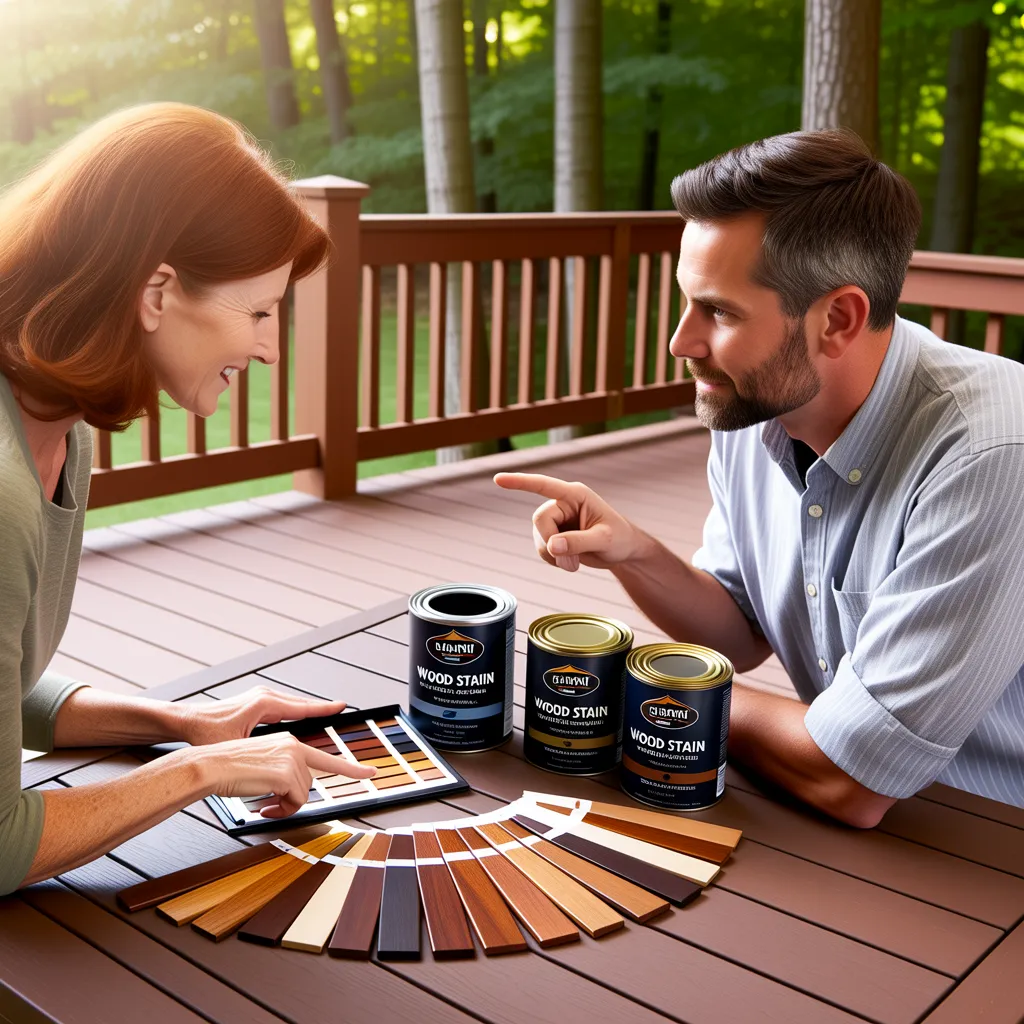
When assessing deck staining, numerous stain and finish varieties function as a key element in boosting the overall aesthetic. Preferred deck colorations extend from natural wood tones to bold hues, providing personalized choices. Additionally, assorted coating options can impact both appearance and durability, with custom choices available to suit individual preferences.
Trending Stain Colors
Deciding on the correct stain color can revamp a deck's appearance and reveal its natural beauty. Stain colors that are sought-after go from rich, deep hues to lighter, more transparent options. Dark walnut and mahogany present a luxurious, classic look, while cedar and pine stains provide a more rustic aesthetic. Grey tones have risen to popularity for their modern appeal, complementing contemporary home designs. Additionally, natural wood tones allow the grain to shine through, drawing attention to the deck's inherent characteristics. For those seeking a unique touch, bold colors like deep blue or forest green can create a striking statement. Ultimately, the choice of stain color should convey personal style while coordinating with the surrounding environment.
Explore Different Finish Options
Wood stain shades are vital to boosting a deck's appearance, while the coating variety remains equally vital for strength and upkeep. Diverse finish types, featuring semi-transparent, solid, and clear, present individual upsides. Semi-transparent stains permit the natural grain of the wood to show through while providing UV protection and moisture protection. Solid stains provide a uniform color that masks imperfections and deliver robust protection against the elements. Clear finishes, in contrast, maintain the natural look of the wood but demand more regular reapplication. Each finish variety serves different requirements, making it essential for homeowners to examine their deck's condition and the preferred look when picking a finish type. The best option can substantially extend the longevity of the deck.
Custom Options On Hand
Deck owners have a variety of ways to tailor to enhance their outdoor areas. The color choice is paramount, as it can dramatically influence the deck's look. From deep mahogany tones to cool grays, homeowners can select shades that complement their home’s architecture and landscaping. Additionally, finishes are vital in both visual appeal and protection. Options include semi-transparent stains that highlight the wood's grain while offering some UV protection, or solid stains that offer a more uniform color and increased durability against the elements. Each choice permits personal expression while ensuring the deck remains functional and attractive. Ultimately, these customization choices enable deck owners to craft a customized outdoor sanctuary tailored to their tastes.
DIY versus Professional Finishing: Which Option is Best for Your Patio Deck?
Evaluating how to better the appearance and longevity of outdoor spaces, the decision between professional deck staining and DIY can be essential. DIY staining enables homeowners to reduce labor costs and provides them the flexibility to choose their preferred stain. However, it requires time, effort, and a certain level of skill to achieve a uniform finish and proper application.
However, contracting with experts typically delivers high-quality outcomes, as experienced professionals understand the superior techniques and products for various wood varieties. They can further handle surface prep work and care and maintenance, which are vital for durability.
Ultimately, the decision depends on personal situations, such as budget, time, and desired outcome. For those looking for a flawless finish and long-term protection, expert assistance may be a worthwhile expense. Conversely, if financial limitations are substantial and the homeowner is prepared to dedicate energy and resources, DIY staining can be a viable option.
Often Requested Questions
Is It Possible to Stain My Deck in Damp Weather?
Staining a deck in rainy weather is not suggested. Moisture can impede proper adhesion, producing uneven application and compromised durability. It's best to wait until conditions are dry for ideal staining results.
What is the Standard Duration of the Staining Procedure?
Staining usually takes three to six hours, based on the size and state of the deck. Extra time is essential for drying, which can vary based on weather conditions and the stain type.
Which Instruments Are Needed to Finish a Deck?
Key tools for deck staining comprise a paintbrush or paint roller, a stain applicator pad, a sprayer for larger areas, drop cloths to protect surfaces, and protective equipment such as hand protection and goggles for safety.
Can You Find Sustainable Stain Varieties In Stock?
Yes, there are sustainable stain alternatives accessible. Many brands provide non-toxic low-emission stains composed of organic materials, delivering reduced environmental consequence while ensuring effective defense and upgrading the look of wooden areas.
Can Coating Change the Texture of My Deck?
Staining usually improves the wood's natural texture rather than changing it considerably. However, certain stains may generate a slight sheen or smooth finish, which can influence the tactile experience without fundamentally altering the underlying texture.